


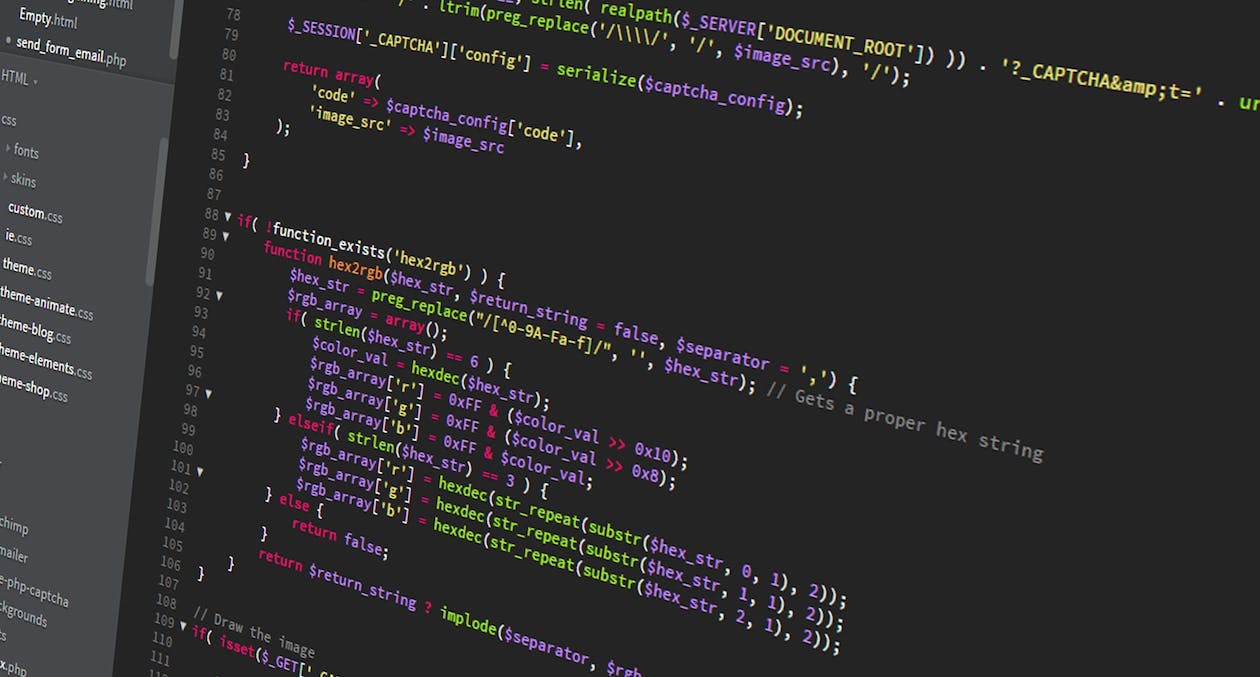


Web design is the process of creating and planning a website’s layout, structure, and aesthetics. It encompasses a variety of skills and disciplines, including graphic design, interface design, user experience design, and search engine optimization. Web design is critical because it can significantly impact a website’s success or failure. In this article, we will explore the basics of web design, including its elements and principles, tools and techniques, and best practices.
Table of Contents
Elements of Web Design
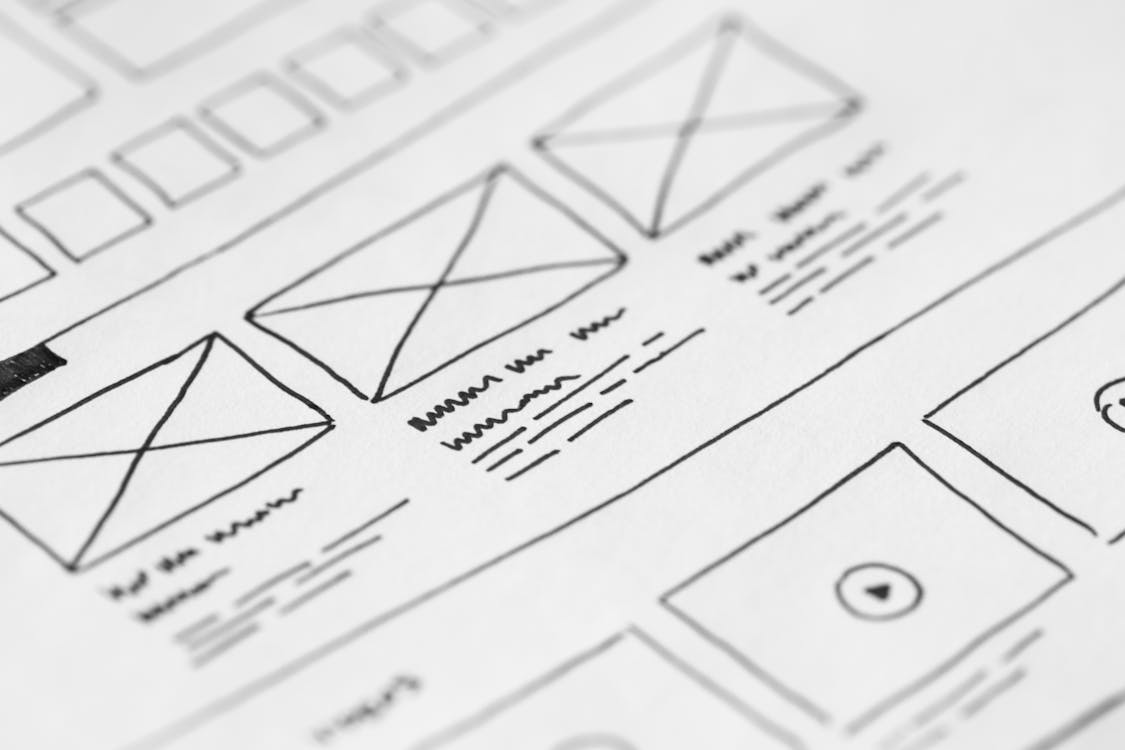
Web design consists of several elements that work together to create an effective website. These elements include:
- Layout: The arrangement of visual elements on a web page, including text, images, and other content.
- Color: The color scheme used throughout the website, can impact its overall feel and mood.
- Typography: The selection and use of fonts to convey information and create visual interest.
- Images: The use of images to enhance the website’s visual appeal and communicate information.
- Navigation: The structure and organization of menus, links, and other elements that enable users to navigate through the website.
- Content: The text, images, and other media used to convey information on the website.
Principles of Web Design

To create an effective website, designers must follow certain web design principles. These principles include:
- Balance: Achieving a balanced layout by distributing visual elements evenly throughout the page.
- Contrast: Using contrasting colors, typography, and images to create visual interest and help important elements stand out.
- Unity: Creating a cohesive design that ties all elements of the website together.
- Emphasis: Using visual hierarchy to highlight the most important elements on the page.
- Proportion: Maintaining proportion between different elements of the website to create a visually pleasing layout.
- White Space: Using negative space effectively enhances readability and creates a sense of balance.
Tools and Techniques


Web designers use a variety of tools and techniques to create compelling websites. Some of the most popular tools include:
- HTML and CSS: These are the building blocks of web design and allow designers to create a website’s structure and visual appearance.
- Adobe Creative Suite: This suite of software includes tools such as Photoshop, Illustrator, and InDesign, which can be used to create graphics, logos, and other visual elements for the website.
- Content Management Systems (CMS): CMS platforms such as WordPress, Drupal, and Joomla make it easy for designers to create, manage, and publish website content.
- Responsive Design: This technique involves designing a website to be accessible and functional on different devices, including desktops, laptops, tablets, and smartphones.
- User Experience (UX) Design: UX design focuses on creating a positive user experience by considering factors such as ease of use, accessibility, and engagement.
Best Practices

To create an effective website, designers must follow several best practices, including:
- Keep it Simple: A cluttered or confusing website can be overwhelming for users. Focus on creating a simple, streamlined design that is easy to navigate.
- Prioritize User Experience: Users should be able to find what they are looking for quickly and easily. Make sure your website is designed with the user in mind.
- Use High-Quality Images: The images on your website should be high-quality and relevant to your content.
- Optimize for SEO: Search engine optimization (SEO) is critical for driving traffic to your website. Make sure your website is optimized for search engines by using relevant keywords and meta tags.
- Test and Refine: Continuously test and refine your website to ensure it is functioning correctly and meeting the needs of your users.
Conclusion

In conclusion, web design is a crucial aspect of creating a successful website. Designers must consider elements such as layout, color, typography, images, navigation, and content, as well as principles such as balance, contrast, unity, emphasis, proportion, and white space. By following best practices such as prioritizing user experience, using high-quality images, optimizing for SEO, and continuously testing and refining the website, designers can create an effective website that engages users and drives results. With the right tools and techniques, anyone can learn to create a visually appealing and functional website that meets the needs of their audience. By keeping these essentials in mind, you can take your web design skills to the next level and create websites that truly stand out in today’s digital landscape.